


















ARGESAN
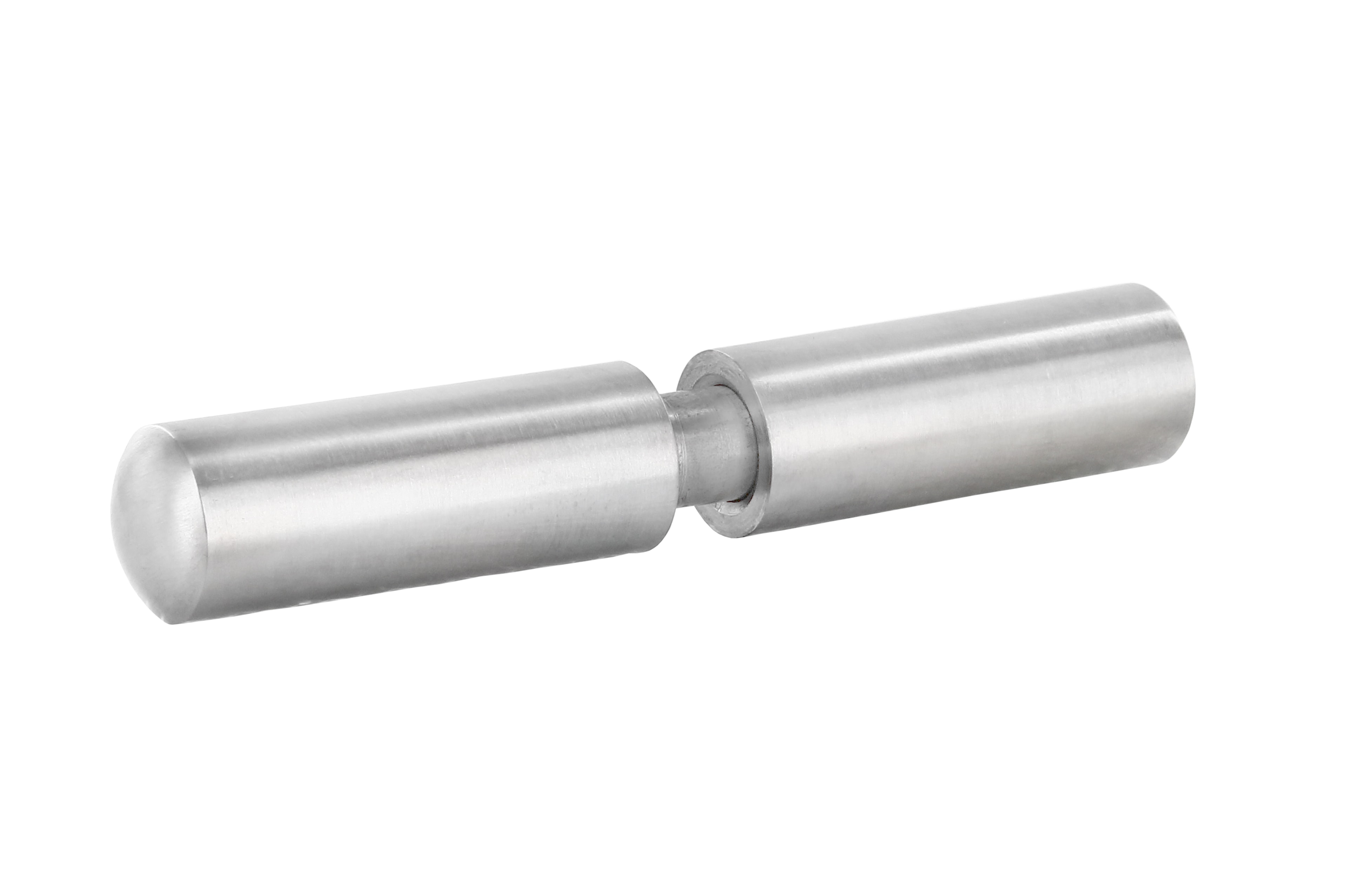
Stainless Steel Pin Hinge Barrel Cylinder Hinge Weld-On Hinge


Stainless Steel Pin Hinge (Barrel Hinge / Cylinder Hinge
/ Lift-Off Hinge / Weld-On Hinge)
In the world of construction, architecture, industrial
machinery, and furniture design, few components are as essential yet often
overlooked as the hinge. Hinges are the silent workhorses that enable doors,
panels, and lids to move smoothly and securely. Among the vast range of hinge
designs available today, one particular model stands out for its strength,
versatility, and durability: the Stainless Steel Pin Hinge.
Also commonly referred to as a Barrel Hinge, Cylinder Hinge,
or even a Lift-Off Hinge (depending on its configuration), this component is
trusted across industries for heavy-duty and precision applications. In some
technical catalogs, it is also listed as a Weld-On Barrel Hinge because of its
mounting method. Regardless of what you call it, the purpose remains the same:
to provide a reliable pivoting mechanism that can handle substantial weight,
resist corrosion, and function smoothly for years without requiring
maintenance.
Why Stainless Steel Pin Hinges Are Different
While hinges can be made from brass, mild steel, or even
polymer composites, stainless steel remains the most superior option for
demanding environments. A stainless steel barrel hinge combines elegant design
with robust performance, making it suitable for residential, commercial, and
industrial use alike. Unlike standard butt hinges or concealed cabinet hinges,
a stainless steel pin hinge is engineered for heavy-duty strength, long-term
functionality, and exposure to challenging conditions.
Some of the most common features that distinguish a
stainless steel pin hinge (cylinder hinge) from its alternatives include:
- High
Load Capacity – The cylindrical design distributes force evenly,
making it ideal for heavy doors, gates, and industrial covers.
- Durability
in Harsh Environments – Unlike painted or plated steel hinges,
stainless steel resists corrosion from moisture, chemicals, and even
saltwater.
- Smooth
and Silent Operation – Precision machining ensures minimal
friction and noise, allowing for seamless daily use.
- Versatility
Across Industries – From factory machinery to yacht doors, from
fire doors in commercial complexes to stainless steel cabinets in
professional kitchens, these hinges adapt to countless applications.
- Alternative Configurations – Variants such as weld-on barrel hinges or removable pin hinges (lift-off hinges) further expand their usability.
Technical Specifications and Dimensional Range
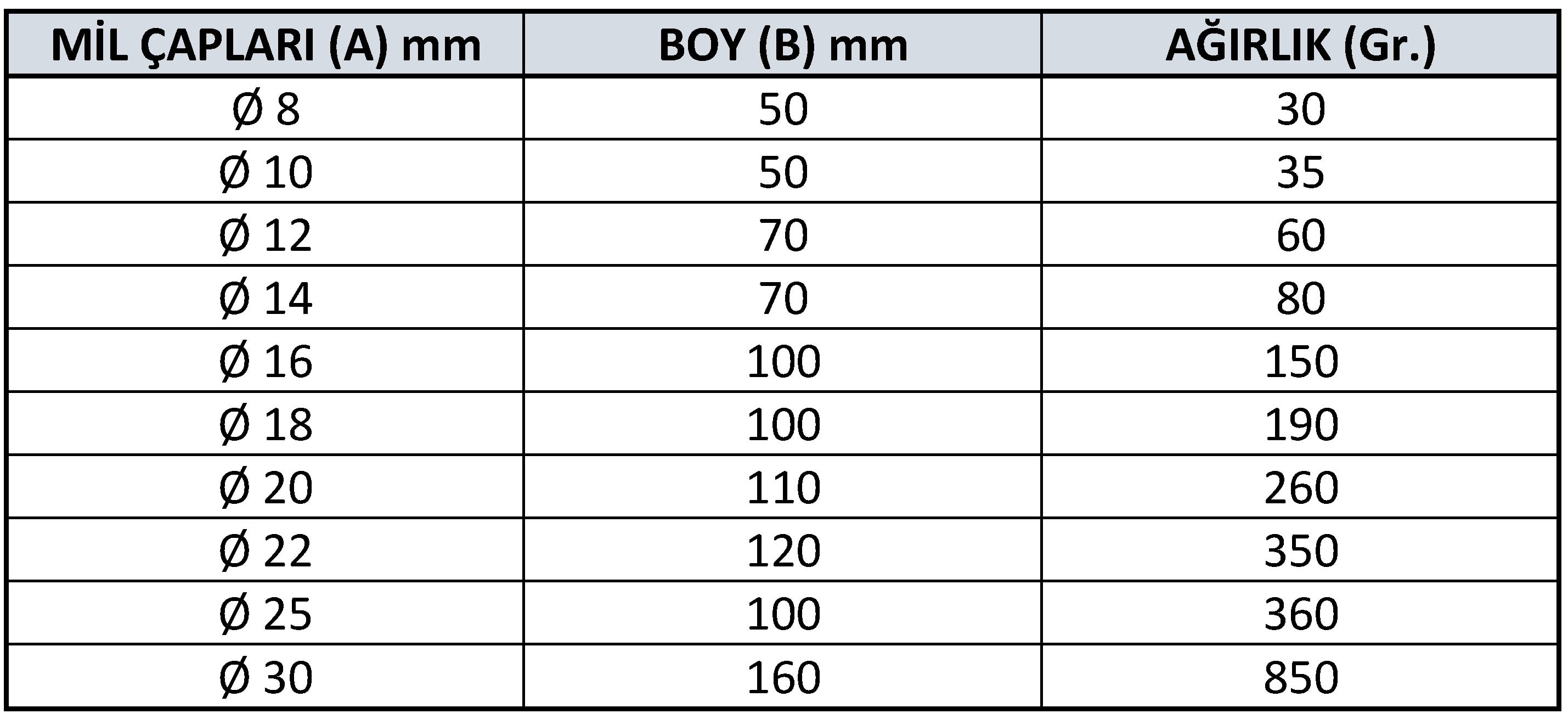
Our stainless steel pin hinges are carefully engineered to meet the needs of modern industries. They are available in a broad spectrum of diameters and lengths, ensuring compatibility with different applications.
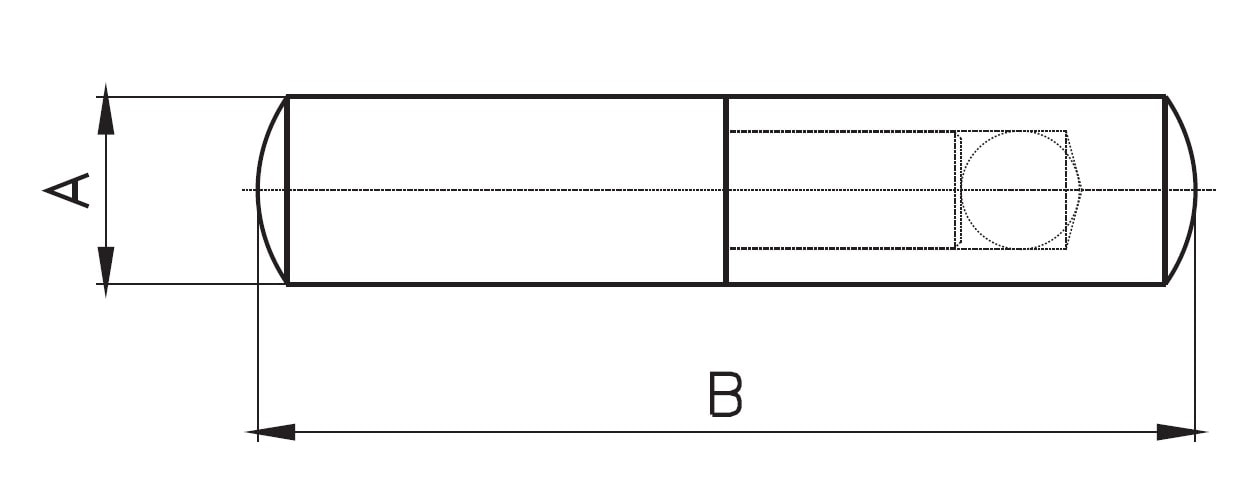
- Pin Diameters (A): Ø8, Ø10, Ø12, Ø14, Ø16, Ø18, Ø20, Ø22, Ø25, Ø30 mm
- Lengths (B): 50 mm, 60 mm, 70 mm, 80 mm, 100 mm, 110 mm, 120 mm, 160 mm
- Material: Premium AISI 304 or 316 stainless steel
- Finish Options: Brushed, satin, or polished finish
These dimensions allow architects, engineers, and fabricators to select the right size for any given project. Whether you need a small stainless steel cylinder hinge for a compact cabinet or a large heavy-duty barrel hinge for an industrial machine, there is a suitable option available.
Product Features
Highlights of the Stainless Steel Pin / Barrel Hinge:
- Manufactured from AISI 304 / 316 stainless steel
- Wide range of diameters and lengths for versatile applications
- Designed for industrial, architectural, and heavy-duty use
- Resistant to corrosion, rust, and environmental degradation
- Brushed or polished surface finish for aesthetic appeal
- Maintenance-free, designed for long service life
- Smooth pivot movement thanks to precision engineering
- Compatible with wood, metal, composite, and stainless steel structures
Applications Across Industries
The beauty of the stainless steel pin hinge (also called barrel hinge or cylinder hinge) lies in its adaptability. Below are some of the most common and effective use cases:
1. Industrial Engineering
- Machine
doors and access panels
- Electrical
and control cabinets
- Industrial
enclosures requiring heavy-duty performance
2. Architecture & Construction
- Fire
doors and emergency exits
- Heavy-duty
doors in factories, hospitals, and shopping malls
- Stainless
steel gates for both security and aesthetics
3. Furniture & Cabinetry
- Stainless
steel cabinets in professional kitchens
- Wardrobes,
lockers, and technical storage units
- Customized
furniture where strength and modern looks are required
4. Marine & Offshore Applications
- Yacht
and boat doors exposed to saltwater
- Offshore
platform hatches and covers
- Dockside
and marina equipment enclosures
5. Food & Beverage Industry
- Hygienic
storage cabinets
- Cold
storage doors
- Stainless
steel furniture used in HACCP-compliant facilities
6. Chemical & Pharmaceutical Applications
- Laboratories
requiring sterile conditions
- Chemical
plants with corrosive environments
- Hospital and medical equipment enclosures
Why Use Multiple Names (Pin Hinge vs Barrel Hinge vs
Cylinder Hinge)?
Different industries and suppliers prefer different
terminology:
- Pin
Hinge: The most technical and direct term, widely used in engineering
contexts.
- Barrel
Hinge: Common in construction, architecture, and hardware catalogs due
to the cylindrical “barrel” shape.
- Cylinder
Hinge: A descriptive variation, emphasizing the round geometry.
- Lift-Off
Hinge: Refers to removable pin versions, often used where quick
disassembly is required.
- Weld-On
Hinge: Used for versions that are welded directly onto steel doors or
gates.
By using all these terms in one product description, we ensure maximum discoverability across search engines, e-commerce platforms, and industrial catalog databases.
Choosing the Right Hinge
Before installation, it is essential to select the correct
type and size of hinge for your project. The Stainless Steel Pin Hinge
(sometimes called a Barrel Hinge or Cylinder Hinge) is available in multiple
pin diameters and lengths. Consider the following factors when choosing:
- Load
Requirement – Heavy doors or gates require thicker diameters such as
Ø20–Ø30 mm.
- Application
Environment – For marine or chemical environments, opt for AISI 316
stainless steel.
- Mounting
Method – If welding is the preferred installation, select a Weld-On
Barrel Hinge. If you need quick removal, consider a Lift-Off Pin Hinge.
- Aesthetic Preference – For visible applications, brushed or polished finishes are ideal.
Tools Required for Installation
- Measuring
tape or caliper (to confirm alignment)
- Welding
machine (for weld-on hinges)
- Drill
and screws (for screw-mounted versions)
- Safety
equipment: gloves, goggles, welding mask
- Lubricant (optional for smoother initial movement)
Step-by-Step Installation for Weld-On Pin Hinges
The Weld-On Barrel Hinge is one of the most popular models
for steel doors and gates. Here is the process:
- Mark
the Position – Measure and mark the points where the hinges will be
installed. For large doors, use at least 2–3 hinges to distribute the
load.
- Align
Hinges – Position the hinge barrels in a perfectly vertical line.
Misalignment can lead to premature wear and uneven stress.
- Tack
Weld First – Secure the hinge with small tack welds before full
welding. This allows adjustments if needed.
- Check
Alignment – Test the door or gate by opening and closing to ensure
smooth movement.
- Complete
Welding – Once alignment is confirmed, perform full welding along the
hinge surface.
- Clean and Polish – Remove welding residues and polish the stainless surface if necessary.
Step-by-Step Installation for Screw-Mounted Cylinder
Hinges
For cabinetry, furniture, or light-duty doors, screw-fixed
cylinder hinges are more practical:
- Drill
Pilot Holes – Use a drill bit slightly smaller than the screw
diameter.
- Attach
Hinges – Secure the hinge barrels with stainless steel screws.
- Check
Movement – Ensure the door opens and closes smoothly without
resistance.
- Tighten Securely – Recheck all screws after initial testing.
Installation Tips
- Always
install hinges in multiples of two for stability.
- For
extremely heavy doors, three or more hinges are recommended.
- Use
stainless steel screws or compatible hardware to prevent galvanic
corrosion.
- Avoid mixing different metals during installation (e.g., do not use mild steel screws with stainless hinges).
Maintenance Guide
Why Maintenance Matters
Although stainless steel pin hinges are designed to be maintenance-free,
regular inspection can extend their lifespan and ensure peak performance.
Especially in environments with exposure to saltwater, chemicals, or heavy
industrial usage, small efforts in maintenance go a long way.
Routine Maintenance Steps
- Visual
Inspection – Check for dirt buildup, misalignment, or unusual wear.
- Cleaning
– Wipe with a damp cloth. For marine or industrial use, wash with mild
soap and rinse with fresh water.
- Lubrication
– While most stainless steel hinges work smoothly without lubrication,
applying a silicone-based lubricant once a year can reduce friction.
- Tightening
Screws – For screw-mounted hinges, check and retighten screws
periodically.
- Corrosion Check – Although stainless steel resists rust, environmental contamination (like iron dust) may cause spots. Remove with a stainless steel cleaner.
Common Mistakes to Avoid
- Using
Harsh Chemicals – Chlorine-based cleaners can damage stainless steel.
- Over-Lubrication
– Excessive oil or grease attracts dust and debris.
- Improper
Welding – Poor welding technique can create weak points or discolor
the hinge.
- Mixing Metals – Combining stainless steel with non-compatible metals may lead to galvanic corrosion.
Special Maintenance for Marine Environments
If the barrel hinge is installed on yachts, boats, or
coastal gates, consider the following:
- Rinse
hinges with fresh water after saltwater exposure.
- Use
AISI 316 stainless steel for maximum corrosion resistance.
- Inspect more frequently due to constant humidity and salt.
Special Maintenance for Industrial Applications
For factories, food processing plants, or chemical
environments:
- Clean
hinges weekly to prevent chemical buildup.
- Check
for proper sealing around welds.
- Replace immediately if signs of chemical corrosion appear, as this can compromise safety.
Lifespan Expectancy
When installed and maintained correctly, a stainless steel pin hinge (barrel/cylinder hinge) can last 20 years or more without significant performance loss. In indoor furniture, lifespan can be practically indefinite. In harsh outdoor or marine environments, regular maintenance ensures a long service life with minimal issues.
Conclusion of Maintenance Section
The stainless steel pin hinge (also called barrel hinge or
cylinder hinge) is engineered to be both robust and low-maintenance. With
proper installation and occasional cleaning, these hinges provide decades of
reliable service, whether on an industrial machine door, a stainless steel
cabinet in a professional kitchen, or a heavy-duty security gate exposed to the
elements.
Industry-Based Applications & Case Studies for
Stainless Steel Pin Hinge (Barrel / Cylinder / Weld-On / Lift-Off Hinge)
1. Architectural & Construction Applications
Heavy-Duty Doors and Fire Doors
In commercial and residential construction, door hardware
must balance strength, aesthetics, and safety compliance. The Stainless Steel
Barrel Hinge is a preferred choice for heavy-duty doors such as:
- Fire-rated
doors in hospitals, schools, and office complexes – These
demand hinges that withstand both heavy usage and high heat exposure.
Stainless steel provides durability while meeting fire safety standards.
- Security
doors in banks, data centers, and government buildings – Here, the
hinge must support reinforced door structures. Large-diameter pin hinges
(Ø20–Ø30 mm) are typically installed to carry the extra weight.
Gates and Exterior Entrances
For outdoor gates exposed to varying weather, the Weld-On Barrel Hinge offers unmatched reliability. Unlike traditional hinges that may loosen over time, a welded hinge forms a permanent bond, ensuring the gate remains aligned even after years of use. The polished or brushed stainless finish also provides an attractive modern look that complements contemporary architecture.
2. Industrial & Manufacturing Applications
Machine Covers and Access Panels
In factories, machinery often requires protective covers and
access doors. A Stainless Steel Cylinder Hinge is essential here for several
reasons:
- Durability
under vibration – Industrial machines generate constant vibrations,
which can loosen screws in standard hinges. Weld-on stainless hinges,
however, remain stable.
- Corrosion
resistance in chemical-heavy environments – Unlike mild steel hinges
that degrade quickly, stainless hinges withstand exposure to oils,
coolants, and industrial cleaners.
- Safety
compliance – Reliable hinges ensure that heavy access panels can be
safely opened and closed without failure.
Electrical & Control Cabinets
Control panels in factories or public infrastructure must remain securely closed yet easily accessible for technicians. Small stainless steel pin hinges (Ø8–Ø12 mm, lengths 50–70 mm) are frequently used for these enclosures because they provide smooth operation and a clean, professional finish.
3. Marine & Offshore Applications
Yachts and Boats
The marine environment is one of the most challenging for
any hardware component. Saltwater, humidity, and constant movement create a
recipe for rapid corrosion. This is where the Stainless Steel Pin Hinge (AISI
316 grade) truly excels.
- Used
on yacht cabin doors, engine hatches, and deck enclosures
- Resistant
to rust, ensuring long-lasting performance
- Available
in polished finishes that blend seamlessly with luxury marine interiors
Offshore Platforms
On oil rigs and offshore facilities, equipment enclosures and access gates rely on Weld-On Stainless Steel Hinges. Here, safety is paramount, and components must endure not only saltwater but also extreme winds, storms, and constant usage.
4. Food & Beverage Industry
4. Food & Beverage Industry
Hygienic Storage and Kitchen Equipment
In environments that demand cleanliness and hygiene, such as
food processing plants, restaurants, and cold storage facilities, the Stainless
Steel Barrel Hinge is the hinge of choice. Its smooth, non-porous surface
prevents bacterial buildup and makes cleaning easy.
Applications include:
- Stainless
steel refrigerators and freezers
- Cold
storage room doors
- Restaurant
stainless cabinets and preparation tables
- HACCP-compliant
kitchen furniture
Cold Storage and Refrigeration
Unlike standard steel, which can become brittle at low temperatures, stainless steel retains its mechanical properties even in freezing environments. This makes cylinder hinges ideal for cold storage room doors that must open and close thousands of times each year.
5. Healthcare, Pharmaceutical & Laboratory
Applications
Hospitals, labs, and pharmaceutical factories require hinges
that meet strict hygiene and durability standards. Stainless steel is naturally
antimicrobial, making it safer in sterile environments.
- Hospital
cabinets and lockers use small pin hinges for seamless operation.
- Pharmaceutical
cleanroom doors often integrate stainless steel lift-off hinges, allowing
quick disassembly for cleaning.
- Laboratory
equipment enclosures need hinges that resist exposure to chemicals like
ethanol and cleaning agents.
Here, the use of AISI 316 stainless steel hinges ensures long-term corrosion resistance.
6. Public Infrastructure & Commercial Spaces
Schools and Universities
In educational institutions, durability and safety are top
priorities. Stainless steel hinges on heavy-duty classroom doors or locker
cabinets ensure decades of trouble-free use.
Airports and Train Stations
Public transport hubs demand hardware that can withstand
constant use by thousands of passengers daily. Heavy-duty barrel hinges are
commonly installed on access doors, maintenance panels, and public restroom
facilities.
Hotels and Restaurants
Hospitality facilities require a mix of aesthetic design and industrial strength. A polished stainless steel cylinder hinge not only functions reliably but also adds a sleek, modern appearance that fits high-end hotel interiors.
7. Case Studies – Real-World Scenarios
Case Study 1: Heavy Security Gate in Industrial Complex
A European manufacturing facility required hinges for a 4-meter-wide
steel gate. Standard hinges failed after six months due to weight stress. The
solution was a Weld-On Stainless Steel Barrel Hinge Ø30 mm. The result: the
gate now operates smoothly with no maintenance required after three years.
Case Study 2: Yacht Engine Hatch
A luxury yacht manufacturer in Italy replaced brass hinges
on engine hatches with 316 Stainless Steel Pin Hinges. Brass had corroded after
exposure to saltwater. The stainless version continues to perform flawlessly,
even after five years of use at sea.
Case Study 3: Cold Storage Facility
A food logistics company installed Stainless Steel Cylinder
Hinges Ø16 mm, length 120 mm on freezer doors. Despite extreme freezing
conditions, the hinges maintained smooth movement and did not crack, unlike
previous mild-steel models.
Case Study 4: Hospital Laboratory Cleanroom
A medical research laboratory in Germany required hinges that could withstand aggressive cleaning chemicals. 316-grade stainless lift-off hinges were chosen for their easy disassembly and chemical resistance. This reduced downtime during cleaning cycles and improved safety.
Why Industry Professionals Choose Stainless Steel Pin
Hinges
Across all these applications, the recurring reasons why
professionals prefer Stainless Steel Pin / Barrel / Cylinder Hinges are:
- Strength
and reliability under heavy loads
- Corrosion
resistance even in the harshest environments
- Versatility
for multiple industries
- Low
maintenance and long service life
- Aesthetic finishes for visible installations
Frequently Asked Questions (FAQ) about Stainless Steel Pin Hinge (Barrel / Cylinder / Weld-On / Lift-Off Hinge)
1. What is the difference between a Pin Hinge and a Barrel Hinge?
In most cases, the terms are interchangeable. Pin Hinge is the more technical term, referring to the central pin that enables rotation. Barrel Hinge emphasizes the cylindrical, barrel-shaped body. Both describe the same hardware, though “Barrel Hinge” is more common in construction and cabinetmaking catalogs.
2. When should I use a Lift-Off Hinge?
A Lift-Off Hinge is a pin hinge designed so that one leaf can be lifted off without unscrewing or unwelding the hinge. It is ideal for applications requiring frequent disassembly, such as laboratory cleanrooms, removable access panels, or modular structures.
3. Is stainless steel really maintenance-free?
Yes, stainless steel pin hinges require minimal maintenance. However, in aggressive environments such as marine or chemical industries, occasional cleaning with fresh water and mild detergent is recommended. This prevents surface contamination and preserves the polished look.
4. What grades of stainless steel are available?
• AISI 304 → Standard grade, suitable for most indoor and outdoor uses.
• AISI 316 → Marine-grade stainless steel with added molybdenum, offering superior corrosion resistance in saltwater and chemical environments.
5. Can these hinges be welded directly onto steel doors?
Yes. Weld-On Barrel Hinges are specifically designed for steel doors, gates, and frames. They provide maximum strength and durability because the hinge becomes an integral part of the structure.
6. What sizes are available?
- Pin
Diameter (Ø): 8 mm to 30 mm
- Length:
50 mm to 160 mm
This range covers both light-duty cabinet applications and heavy industrial doors
7. Do stainless steel hinges rust over time?
Stainless steel is resistant to rust thanks to its chromium oxide layer. However, contamination with iron particles or harsh chemical exposure may cause surface discoloration. This is not structural rust and can be removed with stainless steel cleaner.
8. Where are stainless steel pin hinges most commonly
used?
They are widely used in:
- Industrial
machinery
- Fire
and heavy-duty doors
- Stainless
steel cabinets
- Yachts
and marine equipment
- Food and beverage facilities
- Hospitals and laboratories
9. Can I use these hinges for outdoor gates?
Absolutely. Stainless steel weld-on hinges are among the best options for exterior gates. They withstand rain, sun, snow, and even coastal environments without losing strength or functionality.